If paint is peeling, blistering, or failing early, the problem usually started before the first coat was ever sprayed.
For structural steel or any metals, surface prep is where finish quality, corrosion resistance, and long-term durability are won or lost. When it is not prepared properly before painting, several issues can arise, compromising the performance, durability, and aesthetics of the coating system. Are you taking the proper precautions to ensure the greatest success?
Below are best practices for ensuring optimal paint adhesion, corrosion protection, and appearance:
Surface Preparation
- Clean It: Remove grease, oil, dirt, and contaminants using appropriate degreasers or solvents. Wash the piece thoroughly and allow it to dry completely.
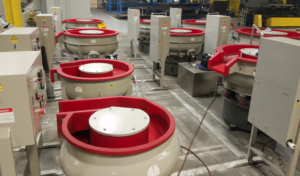
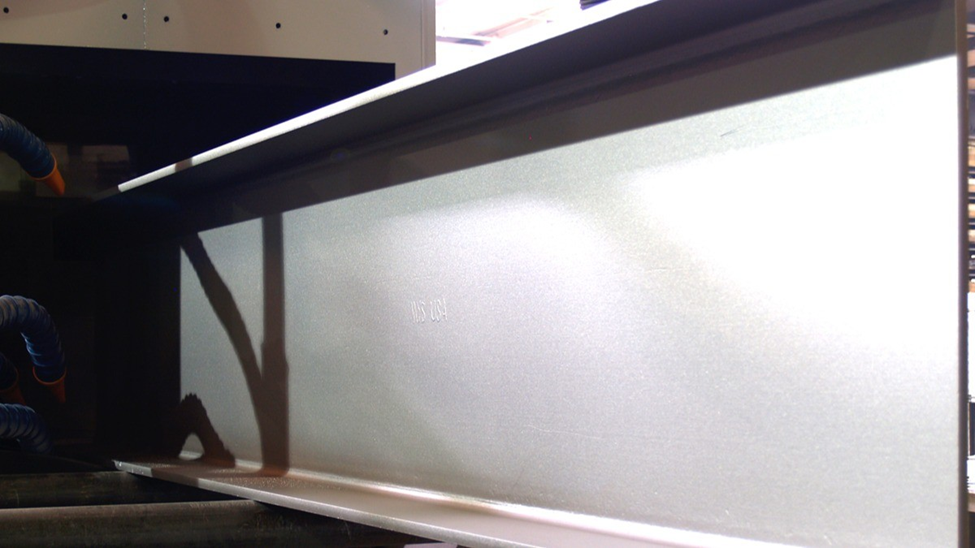
- Remove Rust and Scale: Eliminate rust, mill scale, or old paint using mechanical methods (shot blasting, sandblasting, grinding) or chemical rust removers. Achieve the specified surface profile (e.g., Sa 2.5 or equivalent) per industry standards like ISO 8501 or SSPC.
- Build the Right Surface Profile: Create a surface profile suitable for the paint system using abrasive blasting. The profile should match the paint manufacturer’s recommendations for peak-to-valley height (e.g., 2–3 mils for epoxy).
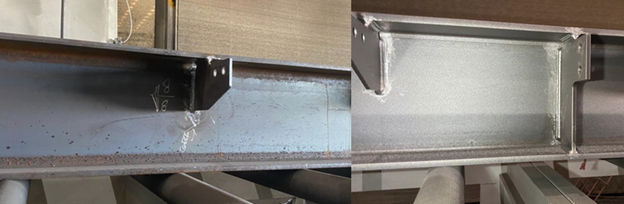
- Edge and Weld Cleaning: Smooth sharp edges and weld splatter using grinders or sanders, as paint tends to pull away from sharp edges, leading to premature failure. Ensure weld seams are free from slag or porosity.
Environmental Control
- Humidity and Temperature: Ensure relative humidity and temperature are within the paint manufacturer’s recommended range. Generally, avoid painting in conditions where humidity is above 85% or temperatures are below 50°F (10°C).
- Dew Point Awareness: Ensure the surface temperature is at least 5°F (3°C) above the dew point to avoid condensation on the surface.
- Dust-Free Environment: Remove any dust from blasting or sanding using compressed air or tack cloths or add a wash station.
Pre-Paint Coatings
- Primers: Apply a primer immediately after surface preparation to prevent flash rusting. Use a compatible primer based on the paint system (e.g., zinc-rich primers for corrosion resistance).
- Sealants or Fillers: Use approved sealants to fill gaps, seams, or holes, if required, before applying topcoats.
Inspection and Testing
- Surface Cleanliness: Use visual inspection and tools like dust tapes or UV lights to ensure no contaminants remain. Verify surface roughness using comparator tools or test panels.
- Adhesion Testing: Conduct adhesion tests on a small section to confirm proper surface preparation and primer compatibility.
Best Practices During Painting
- Avoid Bare Hand Contact: Use gloves to prevent oils from your hands from contaminating the prepared surface.
- Documentation: Maintain records of surface preparation, environmental conditions, and material batch numbers to ensure compliance with specifications.
By adhering to these practices, you ensure a long-lasting and high-quality paint finish for structural components.
So, what happens if you cut corners, skip steps or don’t take the proper preparations needed? Let’s explore…
At LS Industries, we see shops every week blaming paint when the real issue is dirty steel, inconsistent prep, or poor environmental control.
1. Poor Adhesion
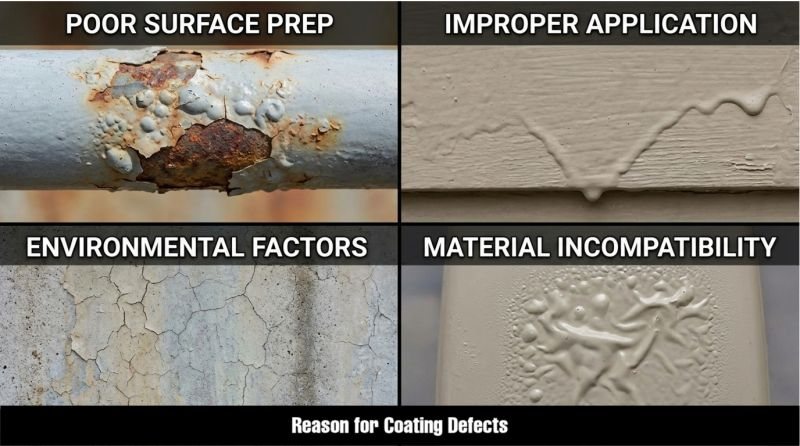
- Paint will not bond effectively to the surface if contaminants (oil, grease, dirt) or rust are present, leading to peeling, flaking, or blistering.
- Inadequate surface profile (too smooth or too rough) can also result in poor mechanical bonding.
2. Corrosion
- Without proper removal of rust or mill scale, corrosion can continue underneath the paint, causing it to bubble or fail.
- Lack of primer or inadequate coverage on edges and weld seams can lead to rapid corrosion in these areas.
3. Premature Coating Failure
- The paint may delaminate, crack, or chalk much sooner than expected due to improper surface preparation or environmental contamination during application.
- If flash rust develops before priming, it can degrade the integrity of the coating system.
4. Uneven or Defective Finish
- Dust, dirt, or other contaminants left on the surface can result in an uneven texture, pinholes, or other defects in the finish.
- Sharp edges that are not smoothed out can cause the paint to pull back, leaving thin or uncoated areas prone to failure.
5. Increased Maintenance and Repair Costs
- Frequent repainting or touch-ups may be necessary to address failures, increasing labor and material costs.
- Structural integrity may be compromised over time if corrosion spreads, leading to expensive repairs or replacements.
6. Safety and Compliance Issues
- Structural components in critical environments (e.g., bridges, buildings, industrial equipment) may fail to meet safety or regulatory standards.
- Poor preparation can void warranties provided by paint or coating manufacturers.
7. Reduced Aesthetic Appeal
- The finished surface may have visible defects such as bubbling, cracking, or discoloration, detracting from the appearance of the piece.
8. Loss of Functionality
- Functional coatings (e.g., fireproof, anti-corrosive, or chemical-resistant paints) may not perform as intended if the substrate was not properly prepared.
Proper surface preparation is essential to ensure the longevity, effectiveness, and appearance of painted structural components. Skipping or rushing this step often results in costly rework and long-term damage. It all boils down to money, spend it before on achieving proper care or spend more after trying to fix it.
Skipping prep doesn’t save money. It just delays the bill.
Inspect → Clean → Remove rust/scale → Create profile → Verify environment → Prime/paint
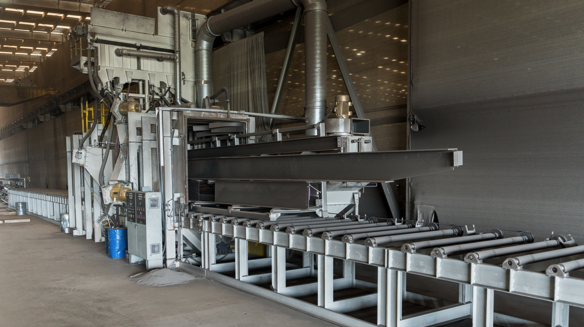
If your finish is failing early, fighting corrosion, or requiring too much touch-up, don’t start by blaming the coating. Start by looking at the prep.
At LS Industries, we help customers build blasting, washing, and finishing processes that hold up in the real world.
Melissa Palmer
Sales Manager at LS Ind – Blasting and Surface Prep Experts