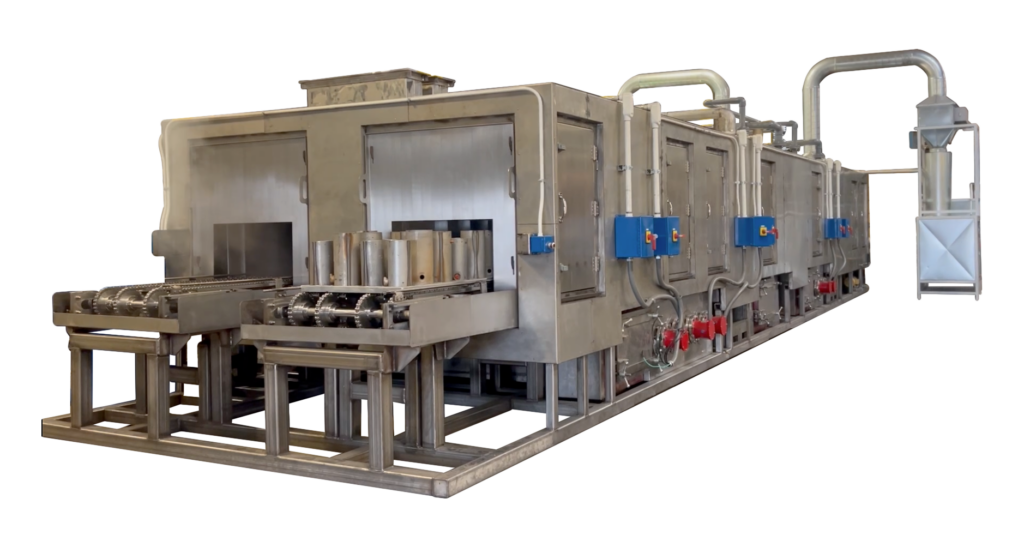
Here’s What You Need to Consider. Most industrial washer problems aren’t discovered during install they show up when production starts.
I was recently on site with a customer reviewing the current wash and why they are not getting the cleanliness they need. In their case a lot of factors played a role. Wrong style of washer, not enough steps in the cleaning process, poor filtration, and overfull not allowing enough coverage due to space restraints. I see way too many people buy something because it fits the budget, not realizing it will never meet the specifications they need.
What a Bad Washer Design Costs
- Rework and rejected parts
- Production bottlenecks
- Equipment repairs and downtime
- Chemical waste
- Full system replacement
The cheapest washer is usually the most expensive one you’ll ever buy.
If you want performance, reliability, and results that don’t end in greasy complaints or rejected parts, there are several crucial factors you must nail from the start. Here’s a no-nonsense breakdown.
What Are You Washing? (Know Your Enemy)
Before you spec a single nozzle, consider: If you are not discussing these with the salesperson, you are talking to the wrong salesperson. Wink.
- Material Type: Steel, aluminum, plastic, glass?
- Contamination: Oils, chips, paint, soot, rust?
- Part Geometry: Flat plates? Deep blind holes? Delicate parts with nooks and crannies?
Each answer will directly impact the cleaning method, chemistry, and flow path. Whether you will need pressure or volume, immersion or spray.
Throughput Requirements (AKA: How Fast You Gotta Go)
Are you washing 10 parts a day or 1,000 per hour? If there is a lot of diversity in parts, design with the 80/20 rule. This dictates whether you’re building a:
- Manual wash with labor
- Batch washer
- Conveyorized tunnel washer
- Rotary drum washer
- Monorail or overhead line washer
Miss this step and your washer might bottleneck your entire operation. You will also want the ability to grow a little before having to replace.
Cleaning Method (Pick Your Weapon)
- Spray Washing: For forceful removal of oil and debris.
- Immersion: When soak time or chemistry is critical.
- Ultrasonics: For fine-featured or precision parts.
- Agitation or Turbulence: To help shake off stubborn grime.
- Combination Systems: Sometimes, one method just isn’t enough!
Chemical Compatibility
Water-based vs. solvent-based? pH levels? Flash points? Corrosivity?
- Choose materials (pumps, tanks, seals) that won’t corrode or melt after 2 weeks of use.
- Plan for proper containment, dosing, and disposal. EPA doesn’t like surprises.
- Disposal for your area?
Footprint and Flow
How does the washer fit into the existing production layout?
- In-line or U-shaped?
- One operator or automated hand-off?
- Are you future-proofing for expansion?
Filtration & Maintenance (If You Hate Downtime, Plan for This)
- Filtration systems to remove chips, sludge, or oil
- Easy-access filters, skimmers, and clean-out doors
- Preventative maintenance tracking (add that forced-maintenance HMI while you’re at it)
Temperature Control
- Wash temp matters: Hot water cleans better, but at a cost. What temp can your parts handle? How does that temp work with the chemicals?
- Do you need electric heat, gas burners, or steam coils?
- Insulate the tank or pay for it in heat loss.
Automation & Controls (Because “Push Button, Walk Away” is the Dream)
- PLC with touchscreen?
- Recipe storage for different parts?
- Remote access or diagnostics?
- Or the trusted, keep it simple?
Rust Inhibitors or Rinse Stages
- Final rinse, deionized water, rust preventative?
- Will you recirculate or drain to waste?
- Stainless tanks might be needed, don’t skimp if corrosion is a concern.
- Is the chemical one that requires a rinse?
Drying Process (Because Wet Parts can be a Liability)
- Blow-off systems, heated chambers, or drip zones?
- Consider the part material and whether water staining or flash rust is an issue.
- Pro tip: Don’t forget drain angles and air flow patterns. Wrap It Up: Design with the End in Mind
A good industrial washer doesn’t just clean it makes your line more efficient, more compliant, and more profitable. It should reduce labor, minimize rework, and last for years not just until the warranty runs out. Don’t design a washer. Design a solution.
Here are a couple of recent issues I have seen when working with customers on the right solutions. Learn from their mistakes. These aren’t rare problems we see them all the time.
Example 1: The Part That Wouldn’t Dry
The Mistake: A customer bought a stock tunnel washer for steel parts, but it didn’t include a proper blow-off or heated drying stage. Just rinse and roll. The Fallout:
- Parts flash rusted before they even made it to packaging.
- Rework station became the busiest spot in the plant.
- Customer returns sky-rocketed.
Fix: Retrofitted with high-velocity air knives and a post-wash rust inhibitor stage—money and time they could’ve saved up front.
Example 2: The Mystery Clog Machine
The Mistake: The washer was blasting chips and oils off machined parts beautifully… and recirculating them right back into the system because no one spec’d any filtration setup. The Fallout:
- Pumps burned up, well before the life of a pump.
- Spray nozzles clogged weekly.
- Techs spent more time wrenching than washing.
Fix: Added multi-stage filtration (3 canister filters) and a chip tray but not before hurting the bottom line with maintenance.
Example 3: Throughput Bottleneck
The Mistake: A single-basket washer was installed on a high-volume production line. Why? It was the cheapest option on the table. The Fallout:
- Production slowed down waiting for clean parts.
- Operators bypassed the washer entirely to “catch up.”
- Quality audits flagged contamination on final assemblies.
Fix: They had to rip and replace the system within 6 months.
Moral of the story: Locate an expert and work with them on the right purchase. Don’t get stuck looking to save money, only to spend more in the long run.
Download our Industrial Washer Design Checklist before you spec your system
LS has been designing cleaning solutions for 49 years. Reach out to learn more. Let’s make sure your washer works the way it should from day one. Fixing a bad washer design after install is always more expensive than getting it right the first time.
Melissa Palmer
Sales Manager