The problem?
Most failures don’t happen suddenly.
They give warning signs and if you know what to look for, you can catch them early.
Here are the 5 most common indicators your blast wheel is about to fail.
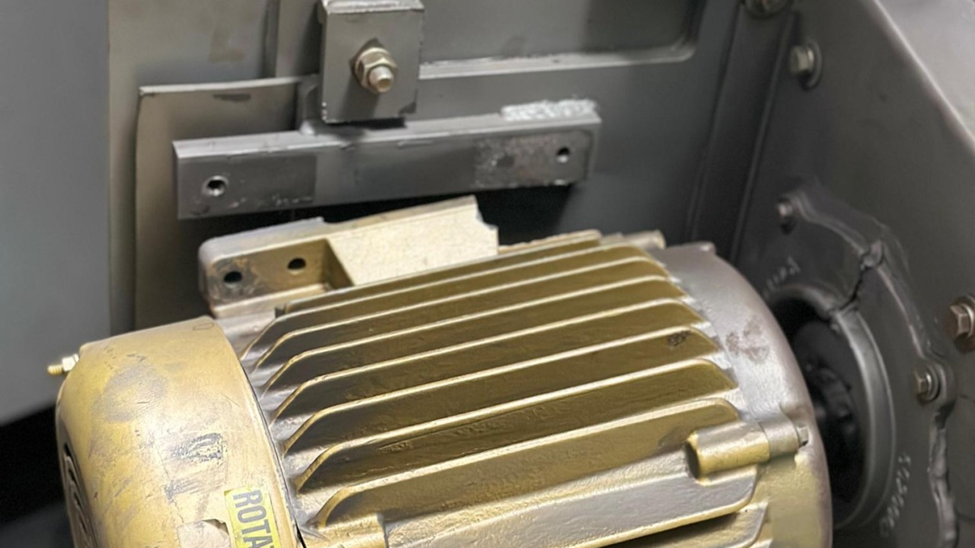
1. Increasing Vibration
This is the #1 indicator something is wrong. Most catastrophic wheel failures we see started with vibration that was ignored.
Common causes:
- uneven blade wear
- shot buildup in the wheel
- worn impeller
- bent shaft
- failing bearings
Signs operators notice:
- machine “buzzing” more than usual
- vibration felt through housing
- bolts loosening frequently
Rule of thumb
If vibration increases suddenly → → stop and inspect the wheel immediately.
A wheel out of balance at 3600 RPM acts like a hammer hitting the bearings thousands of times per minute.
2. Rising Bearing Temperature
Bearings usually give warning before catastrophic failure.
Look for:
- heat above normal operating temp
- grease burning smell
- discoloration around bearing housing
Typical safe bearing temps:
- 140–160°F normal
- 180°F investigate
- 200°F shut down
Monitoring this alone saves a lot of blast wheels.
3. Motor Amp Draw Increasing
When a blast wheel starts wearing or binding, the motor works harder.
Symptoms:
- higher amperage
- overload trips
- slower acceleration
Common reasons:
- too much shot flow
- impeller wear
- wheel imbalance
- bearing drag
Tracking amp draw is a cheap health indicator.
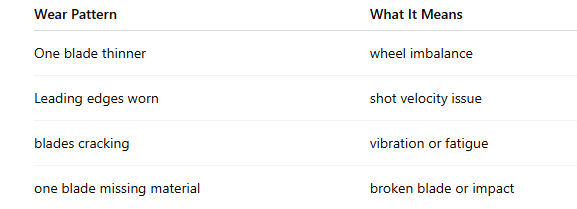
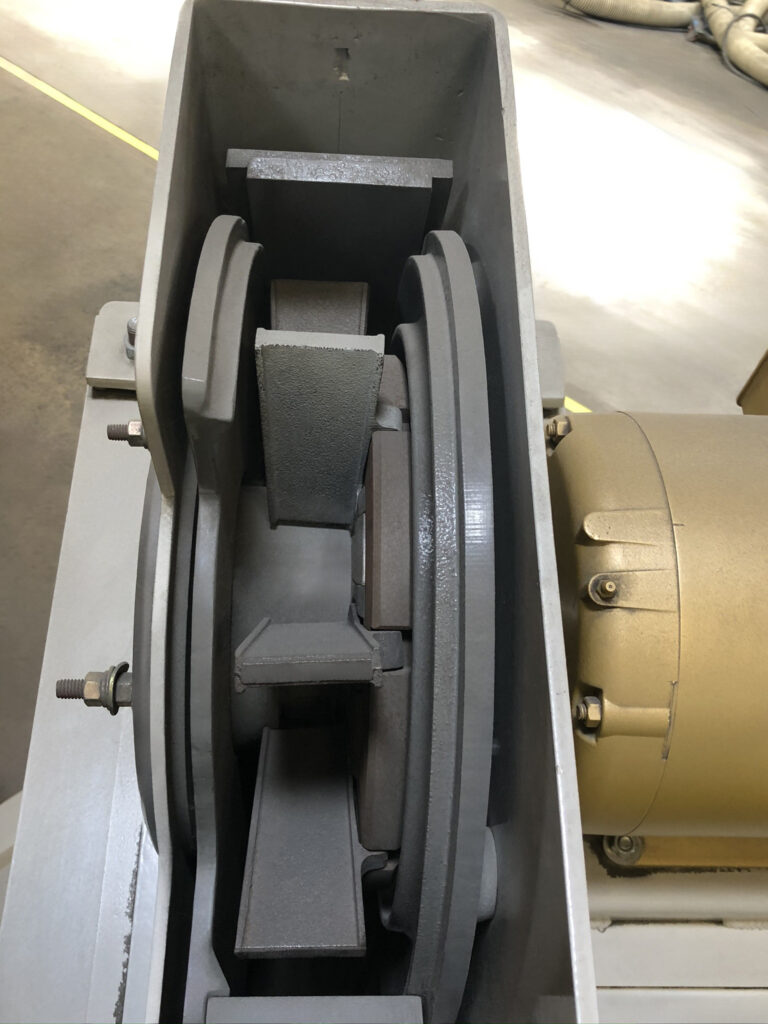
4. Uneven Blade Wear
Blades should wear uniformly.
Bad patterns indicate problems.
Examples:
Always replace blades as a full set. Replacing just one blade guarantees imbalance.
5. Shot Pattern Changes
Operators sometimes notice this first.
Signs:
- blasting becomes uneven
- coverage changes
- parts not cleaning evenly
Usually caused by:
- worn control cage
- misaligned cage
- worn impeller
- broken blade
A bad pattern often means the wheel is no longer balanced or properly feeding shot.
Quick Maintenance Test (2-Minute Vibration Check)
A simple field check many shops use:
- Place a coin or wrench on the blast housing.
- Run the wheel.
- Watch for movement.
If the coin walks or vibrates heavily, imbalance is present.
Not scientific but surprisingly effective. Give it a try.
What a Blast Wheel Failure Really Costs
- Unplanned downtime
- Emergency labor
- Bearing and shaft damage
- Lost production
One missed warning sign can turn a simple repair into a major rebuild.
Quick Summary: Warning Signs to Watch
- Increasing vibration
- Rising bearing temperature
- Higher motor amps
- Uneven blade wear
- Changing shot pattern
If you see more than one at the same time, stop and inspect immediately.
Don’t wait until failure.
At LS Industries, we help customers:
- Diagnose wheel issues
- Improve maintenance practices
- Upgrade to more reliable systems
Reach out, we’ll help you figure out what’s really going on.
Melissa Palmer – Sales Manager at LS Industries